Get started
Get started
Log in
Get started

In the Green

  1. ›
  2. Money Habits
1 

Round Ups automatically round up debit card and credit card purchases to the nearest dollar and transfers the round up into your savings account. You can also automatically transfer part of your direct deposits of $1 or more from your Checking Account into your selected Chime account(s).

Money Habits

From budgeting hacks to guides on investing, find out how to unlock financial progress™ for your future.

Featured Articles

Banking Basics

Crypto for Beginners: A Complete Guide

Read more

Money Habits

Average Cost for Car Maintenance in 2026

Read more

Money Habits

Average Savings By Age: How Much Does the Average American Have in Savings?

Read more

Explore Videos

Check out the latest money moves, member stories, and finance guides.

Get started
1

How to Use Chime's Automatic Savings Features w/ High-Yield Returns | #Shorts

2

3 Budget Hacks That Saved Me in My 20s #MoneySavings #FinancialLiteracy | Chime

3

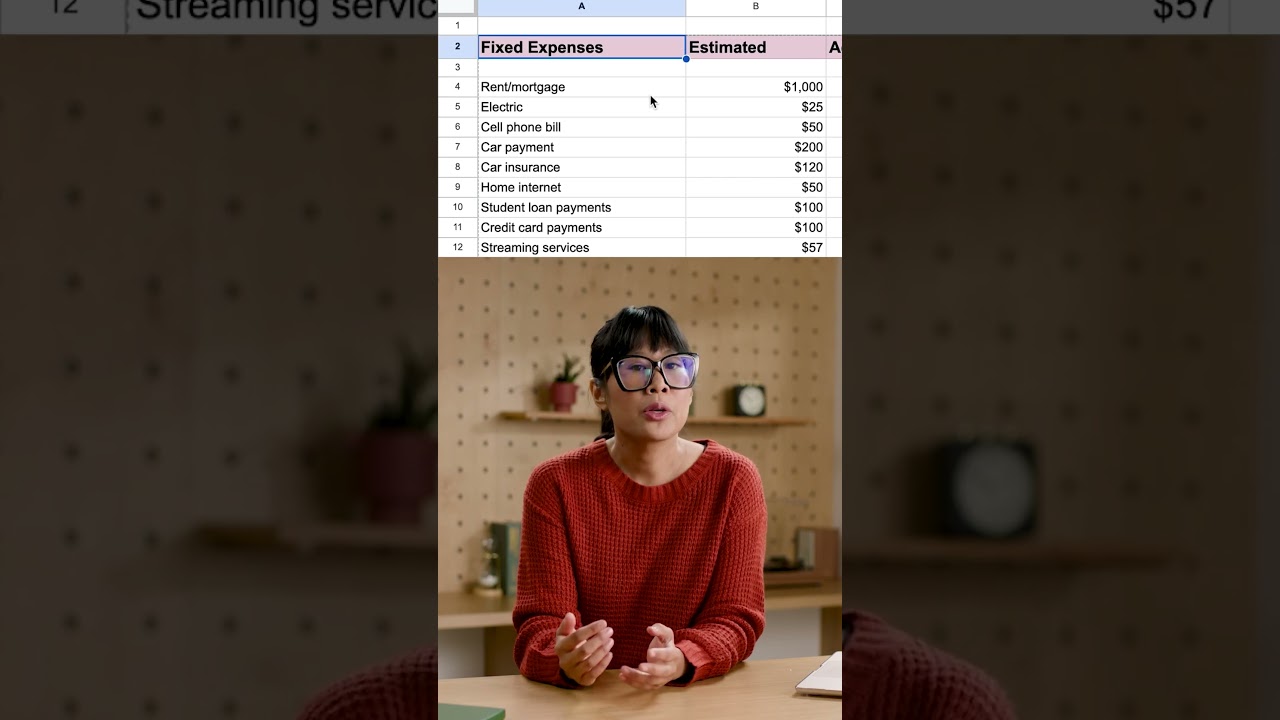
Finance Coach Gives Budgeting Tips for Beginners | #Shorts
Get started

Explore Money Habits

Money Habits

Best Budgeting Apps to Help You Track, Save & Plan

Money Habits

What Is a Mutual Fund and How Does It Work? 5 Key Points

Money Habits

What Is Return on Investment (ROI)? A Simple Guide

Money Habits

What Is the S&P 500? 7 Things Every Beginner Should Know

Money Habits

A Social Media Break Could Save You Money. Here's How

Money Habits

Why Is Budgeting Important? 9 Reasons Explained

Money Habits

What Is Loud Budgeting? How to Loud Budget

Money Habits

What Is the 50/30/20 Budget Rule?

Money Habits

30 Ways To Give Money As A Gift

Money Habits

Best Venmo Alternatives: 7 Options for 2026

Money Habits

How to Save by Canceling Subscriptions You Forgot About

Money Habits

How to Invest in Index Funds

Money Habits

How to Build a Resume That Gets Interviews in 2026

Money Habits

How Does Unemployment Work + How to File for It

Money Habits

The Best Options for Online Banking with Checking Accounts

Money Habits

How to Save Money on Gas: 9 Easy-to-Follow Tips

Money Habits

Complete Guide to Filling Out Your FAFSA

Money Habits

Robo Advisors vs. Financial Advisors: What’s the Difference?

Money Habits

Average Vacation Cost: A Complete 2026 Breakdown

Money Habits

What Is Holiday Pay? And How to Calculate It

Money Habits

12 Ways to Save Money Fast

Money Habits

How to Find Old 401K Accounts: A Step-by-Step Guide

Money Habits

Types of Savings Accounts

Money Habits

Average Cost for Car Maintenance in 2026

Money Habits

5 Holiday Spending Tips to Bank Smarter This Season

Money Habits

10 Ways to Save Money on Groceries and Restaurants

Money Habits

How to Save Money: 6 Ways to Start Saving

Money Habits

Roth 401(k) vs. Roth IRA: Contribution Limit Comparison

Money Habits

How to Plan for Retirement in Your 20s and 30s to Maximize Savings

Money Habits

What Is a 401(k) Plan? Know Your Retirement Options

Money Habits

Should I File a Tax Extension?

Money Habits

Should You Get a Joint Account With Your Partner?

Money Habits

How Much of Your Paycheck Should You Save?

Explore Categories

Banking Basics

Calculators

Chime Guides

Credit

Loans

Managing Debt

Money Habits

Payday

Safety & Security

Taxes

Videos

FAQs

What is the 100 Envelope Challenge?

The 100 Envelope Challenge is a savings method that can help you save $5,000 in 3 months through a structured envelope-based system.

How do I make a budget?

To make a budget, start by listing your monthly income and fixed expenses, then track variable spending. Allocate money toward savings and debt repayment before discretionary spending. A clear budget helps you manage money and reach financial goals faster.

What is a robo-advisor?

A robo-advisor is an automated investment platform that uses algorithms to manage your portfolio. It typically offers low fees and requires little hands-on involvement. Robo-advisors are popular for beginners and long-term investors.

How much of my paycheck should I save?

Many financial experts recommend saving about 20% of your paycheck when possible, but this guidance may not work for everyone. If that’s not realistic, start with a smaller amount and increase your savings over time. For more personalized advice, consider consulting a financial advisor.

How can I track my spending habits?

You can track your spending by reviewing transactions and categorizing expenses in your banking app. Chime offers built-in spending tools that help you understand where your money goes.

What is the benefit of a savings account?

A savings account helps you safely store money while earning interest. Chime’s savings account makes it easy to grow savings with automatic saving features1 and no monthly fees.

What is an emergency fund?

An emergency fund is money set aside for unexpected expenses, such as medical bills or car repairs. It helps you avoid relying on credit cards or loans during emergencies.

How many months of expenses should I plan for in an emergency fund?

Most experts suggest saving three to six months of essential living expenses. This generally provides a financial safety net in the event of job loss or unexpected events.

Popular Features

Membership TiersChime Debit CardBuild CreditChecking AccountHigh Yield Savings AccountGet Paid EarlyMyPay

Company

AboutInvestor RelationsIn the NewsCareersFor Employers

Resources

In The GreenHelp CenterTrust & SafetySavings CalculatorFind an ATMPaycheck CalculatorChime Reviews

Privacy

PoliciesChime U.S. Privacy NoticeDo Not Sell or Share My Personal InformationSupporting Those With Disabilities

Contact

844-244-6363Become an Affiliate
Download on the App StoreGet it on Google Play
FacebookX (Twitter)Instagram

Chime® is a financial technology company, not a bank. Banking services provided by The Bancorp Bank, N.A. or Stride Bank, N.A., Members FDIC.

Chime is not FDIC-insured. The Bancorp Bank, N.A. and Stride Bank, N.A. are the FDIC-insured members. Deposit insurance covers the failure of an insured bank. Certain conditions must be satisfied for pass-through deposit insurance coverage to apply. FDIC deposit insurance limit is $250,000 per depositor, per insured bank, per ownership category.

Chime Checkbook: While Chime doesn’t issue personal checkbooks to write checks, Chime Checkbook gives you the freedom to send checks to anyone, anytime, from anywhere. See your issuing bank’s Deposit Account Agreement for full Chime Checkbook details.

By clicking on some of the links above, you will leave the Chime website and be directed to a third-party website. The privacy practices of those third parties may differ from those of Chime. We recommend you review the privacy statements of those third party websites, as Chime is not responsible for those third parties' privacy or security practices.

Opinions, advice, services, or other information or content expressed or contributed here by customers, users, or others, are those of the respective author(s) or contributor(s) and do not necessarily state or reflect those of The Bancorp Bank, N.A. and Stride Bank, N.A. (“Banks”). Banks are not responsible for the accuracy of any content provided by author(s) or contributor(s).

APPLE and the Apple Logo are registered trademarks of Apple Inc. GOOGLE PLAY and the Google Play Logo are registered trademarks of Google LLC. Third-party trademarks referenced for informational purposes only; no endorsements implied.

Licenses
Chime Capital, LLC, Nationwide Multistate Licensing System ("NMLS") ID 2316451
Chime Payments, Inc., Nationwide Multistate Licensing System (“NMLS”) ID 2538752

Address: 101 California Street, Floor 5, San Francisco, CA 94111, United States.

No customer support available at HQ. Customer support details available on the website.

© 2013-2026 Chime Financial, Inc. All rights reserved.

Chime® is a financial technology company, not a bank. Banking services provided by The Bancorp Bank, N.A. or Stride Bank, N.A., Members FDIC.